Partner with MTLI on your next project todayBook a Call
    Services/Warehouse Automation/ASRS Systems, Sales, Specification & Installation

    ASRS Systems, Sales, Specification & Installation

    MTLI Group sells and installs ASRS systems from all major manufacturers. As an experienced ASRS company, we help you select the right system, provide competitive equipment pricing, and deliver turnkey installation with WMS/WCS integration. From automated racking solutions to complete system commissioning, MTLI supports your project from selection through installation.

    75+
    ASRS Systems Delivered
    1M+
    Storage Locations
    All OEMs
    Experienced
    99.9%
    System Uptime
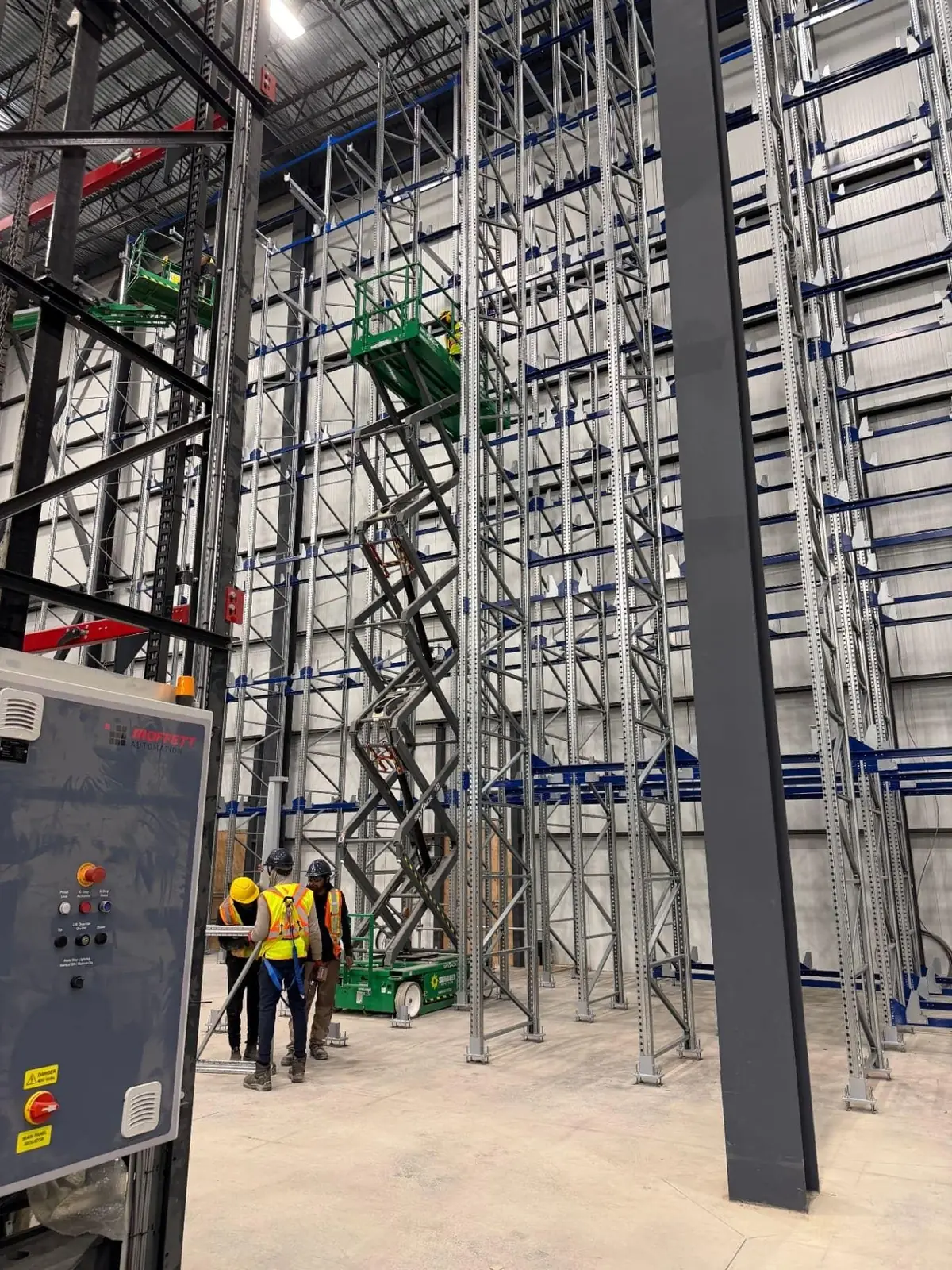
    Automated storage and retrieval system installation

    What Are AS/RS Systems and How Do They Work?

    Automated Storage and Retrieval Systems (AS/RS) use specialized equipment and software to store and retrieve inventory with minimal manual handling. These solutions combine storage structures, cranes, shuttles, lifts, and control technology to move products between storage locations and designated picking or retrieval points.

    Modern AS/RS systems can be configured for different inventory types, including pallets, totes, cartons, bins, and smaller individual items. Depending on the application, equipment may operate within high-bay storage structures, multi-level shuttle systems, or compact grid-based configurations.

    The process typically begins when a storage or retrieval instruction is received through an integrated warehouse management or control system. Automated equipment then locates the required inventory, transports it to the designated location, and completes the requested movement.

    For businesses planning automated racking installations, selecting the right equipment involves understanding inventory characteristics, storage capacity, and throughput requirements. MTLI Group helps businesses evaluate available technologies, specify suitable equipment, and coordinate installation and system integration.
    Why Choose Us

    The MTLI Advantage

    • Complete ASRS specification and selection guidance
    • Equipment sales from all major manufacturers
    • Competitive pricing through OEM partnerships
    • Full engineering and site preparation
    • Certified installation crews for all systems
    • WMS/WCS integration and commissioning

    Unit-Load ASRS (Pallet)

    Crane-based systems for pallets. 40-140' heights, 20-60 pallets/hr per aisle. Best for high-bay dense storage.

    Mini-Load ASRS (Tote/Carton)

    High-speed tote and carton systems. 100-300 picks/hr per aisle. Ideal for parts, pharma, and order fulfillment.

    Shuttle ASRS (Multi-Level)

    Shuttle-based systems with 300-1000+ totes/hr. Highest throughput, modular scaling, across the leading shuttle platforms.

    Cube Storage & Grid Systems

    Grid-based bin storage with 4X density vs. shelving. 200-650 bins/hr per port. Perfect for e-commerce and small parts.

    Micro-Load ASRS

    Compact systems for small items. Ideal for spare parts, electronics, and pharmaceutical picking.

    Hybrid ASRS Solutions

    Combined systems optimized for mixed SKU profiles. Integrate multiple ASRS types for complete solutions.

    Benefits of Installing an Automated Storage and Retrieval System

    Modern storage operations require efficient inventory movement, effective space utilization, and reliable equipment performance. Installing AS/RS systems can help businesses address these requirements through coordinated storage and retrieval processes.

    Here are some important advantages of implementing automated storage technology:

    Better Use of Available Warehouse Space

    Automated storage configurations can make use of available building height and support high-density storage layouts. This helps businesses accommodate more inventory within their existing facilities, depending on the selected system and building specifications.

    Improved Inventory Handling

    Automated equipment manages storage and retrieval movements according to system instructions. This helps create more structured inventory handling processes and supports coordination between storage equipment and warehouse software.

    Increased Material Handling Throughput

    Shuttle systems, cranes, and other automated equipment can support consistent material movement across storage and retrieval operations. Selecting equipment based on required handling volumes helps businesses address throughput demands.

    Reduced Manual Handling Requirements

    Automated storage equipment performs designated movement tasks, reducing the need for employees to manually transport inventory between storage locations. This can help streamline warehouse workflows and improve material handling processes.

    Flexible Storage Configurations

    Different technologies accommodate different inventory profiles, from palletized goods to small parts and cartons. Businesses can select automated racking and storage configurations that align with their product characteristics and operational requirements.

    Support for Future Operational Requirements

    Modular storage technologies and scalable configurations can help businesses accommodate changing inventory volumes and storage needs. Proper system selection also allows companies to consider future expansion requirements during the planning stage.

    Key Factors to Consider When Selecting an AS/RS System

    Choosing the right automated storage solution requires an understanding of your facility, inventory, and operational objectives. Different technologies offer different storage capacities, handling capabilities, and throughput levels. As an experienced ASRS company, MTLI Group evaluates these requirements to help businesses identify suitable equipment.

    Consider the following factors when planning your installation:

    SKU Profile and Inventory Characteristics

    Start by evaluating the size, weight, dimensions, and variety of products stored in your facility. Palletized inventory may require unit-load systems, while smaller items may be better suited to mini-load, micro-load, or cube storage configurations.

    Throughput and Retrieval Frequency

    Evaluate how many pallets, totes, cartons, or individual items need to move through the system within a given period. Retrieval frequency and handling volumes help determine the appropriate equipment type and configuration.

    Storage Capacity Requirements

    Determine how much inventory your facility needs to accommodate and whether existing storage arrangements meet those requirements. The selected system should align with current capacity demands while allowing businesses to consider future inventory growth.

    WMS/WCS Integration Requirements

    Consider how the proposed equipment will communicate with your existing warehouse management and control platforms. Integration requirements should be assessed early to support coordinated inventory movement and system operation.

    AS/RS Installation Requirements and Site Preparation

    MTLI Group manages engineering and site preparation to help ensure installations align with manufacturer specifications.

    Key installation requirements include:

    • Floor Conditions and Load Requirements: Assess the existing floor condition, load-bearing capacity, and foundation requirements. Automated storage structures and equipment need suitable floor infrastructure based on their design and operating loads.
    • Ceiling Height and Available Space: Review building dimensions, clear height, and available installation areas. These measurements help determine the appropriate storage configuration and provide sufficient clearance for equipment movement.
    • Electrical Power and Infrastructure: Evaluate the electrical supply and supporting infrastructure required by the selected equipment. Power distribution, connections, and associated electrical components should meet manufacturer requirements.
    • Equipment Access and Installation Planning: Plan access routes for delivering and positioning equipment within the facility. Installation schedules should account for site conditions, equipment coordination, and ongoing warehouse activities.
    • Safety and Operational Considerations: Review safety requirements related to equipment installation, guarding, access points, and operating areas. Proper planning helps prepare the facility for commissioning and ongoing system operation.

    Addressing these requirements before installation helps establish a suitable foundation for your ASRS racking system and supports a coordinated implementation process.

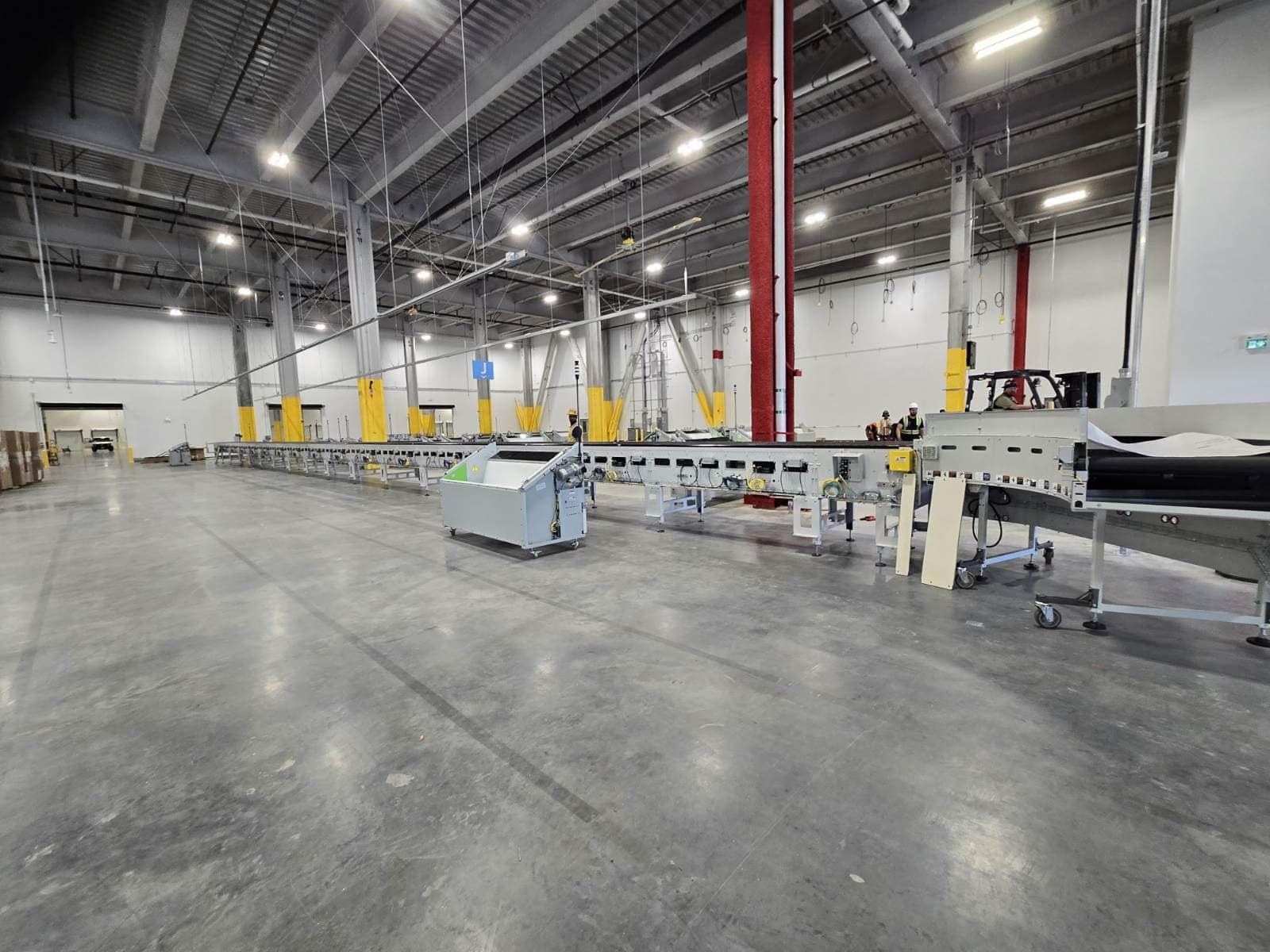
    Warehouse equipment installation and site preparation

    Industries and Applications for AS/RS Systems

    Automated storage technology supports businesses that manage substantial inventory volumes, require structured material movement, or operate within space-constrained facilities. Different storage configurations can accommodate industry-specific products and handling requirements.

    MTLI Group works with businesses across various sectors to evaluate suitable equipment and installation solutions.

    E-commerce and Order Fulfilment

    E-commerce facilities handle diverse product ranges and changing order volumes. Shuttle, cube storage, and mini-load systems can support automated inventory storage and retrieval for small items, cartons, and fulfilment operations.

    Pharmaceutical and Healthcare

    Pharmaceutical and healthcare distribution facilities manage medicines, medical supplies, and smaller inventory items. Mini-load and micro-load technologies can support organized storage and retrieval processes based on product characteristics and facility requirements.

    Manufacturing and Industrial Facilities

    Manufacturing operations require organized storage for raw materials, components, spare parts, and finished products. Unit-load and hybrid storage configurations can support material availability and movement across different operational areas.

    Automotive and Spare Parts Storage

    Automotive facilities often handle numerous components with different sizes and storage requirements. Mini-load, micro-load, and hybrid solutions can accommodate smaller parts while supporting structured retrieval processes.

    Third-Party Logistics (3PL)

    Third-party logistics providers manage inventory for multiple customers with varying storage and fulfilment requirements. Different AS/RS systems can support pallet storage, tote handling, and mixed SKU profiles within distribution facilities.

    Our Process

    How We Work

    Needs Analysis

    We analyze your SKU profile, throughput requirements, and available space to understand your operational needs. This assessment helps establish the specifications for a suitable ASRS racking system.

    System Selection

    We recommend the optimal AS/RS type based on your requirements, storage needs, and throughput targets. As a brand-agnostic ASRS company, we consider solutions from multiple manufacturers.

    Quotation & Procurement

    We provide competitive equipment pricing and manage the procurement process through our OEM partnerships. This helps streamline equipment sourcing and project coordination.

    Site Preparation

    We prepare floors, power connections, and supporting infrastructure to meet installation requirements. Proper site preparation helps ensure the selected system is ready for implementation.

    Installation & Commissioning

    Our certified installation crews install and commission the system according to manufacturer specifications. We coordinate the installation to ensure the equipment is ready for operational use.

    Integration & Go-Live

    We integrate the system with WMS/WCS platforms and support production ramp-up. This helps connect automated storage and retrieval operations with your existing warehouse processes.

    Success Story

    Cube Storage Installation, 45,000 Bins

    "MTLI handled everything from system specification to go-live. Their competitive equipment pricing and installation expertise delivered our cube storage system 2 weeks early and under budget."

    , VP of Operations, Specialty Retailer

    Common Questions, Answered

    How do we know which automation actually fits our operation?

    We are brand-agnostic across 500+ manufacturer partners worldwide, so the engineering starts with your data: throughput, SKU profile, ceiling height, and budget, not with whatever one vendor happens to sell. This allows us to recommend suitable AS/RS systems based on your actual operational requirements.

    Can automation be phased instead of one big project?

    Yes, and it usually should be. Quick wins start under $100K, then storage and picking, then advanced robotics, each phase funding the next. Our 24-month roadmap approach is built exactly for this.

    Who installs, integrates, and supports it?

    MTLI, end to end: installation, controls and electrical, WCS/WES software integration, commissioning, and lifecycle support. One accountable team instead of an integrator pointing at an installer.

    What ROI should we expect?

    We model ROI on your real labor and throughput numbers before you commit a dollar. Book a call and a specialist will run your operation through the same model we use on $100M+ programs.

    What is the difference between AS/RS and traditional racking systems?

    Traditional racking generally requires manual or equipment-assisted storage and retrieval, while AS/RS technology uses automated equipment to manage inventory movement. The right option depends on storage density, handling volumes, available space, and operational requirements.

    How much warehouse space can an AS/RS system save?

    Space savings depend on the selected technology, building height, storage configuration, and inventory profile. High-density automated storage can make better use of vertical space and reduce the floor area needed for certain storage operations.

    Can AS/RS systems integrate with existing warehouse software?

    Yes. Depending on system compatibility, automated storage equipment can integrate with Warehouse Management Systems (WMS) and Warehouse Control Systems (WCS). MTLI provides WMS/WCS integration as part of its installation and commissioning services.

    How long does AS/RS installation take?

    Installation timelines vary according to equipment type, system complexity, procurement schedules, site preparation, and integration requirements. MTLI evaluates these factors during project planning to establish an appropriate implementation schedule.

    Can an AS/RS system accommodate different product sizes?

    Yes. Different technologies are designed for different inventory types. Unit-load systems handle pallets, mini-load systems accommodate totes and cartons, while micro-load and cube storage solutions are suited to smaller items.

    Does MTLI provide support after AS/RS installation?

    MTLI supports projects through installation, controls and electrical integration, commissioning, and lifecycle support. The specific support requirements can be discussed during project planning based on the selected equipment and operational needs.

    Ready to Get Started?

    Contact our team today for a free consultation and customized quote. Speak with MTLI about AS/RS systems, equipment selection, and installation requirements for your facility.

    Hi! I'm Rebecca 👋

    Have any questions about our services?

    Cookie Preferences

    We use cookies to enhance your browsing experience and analyze site traffic.