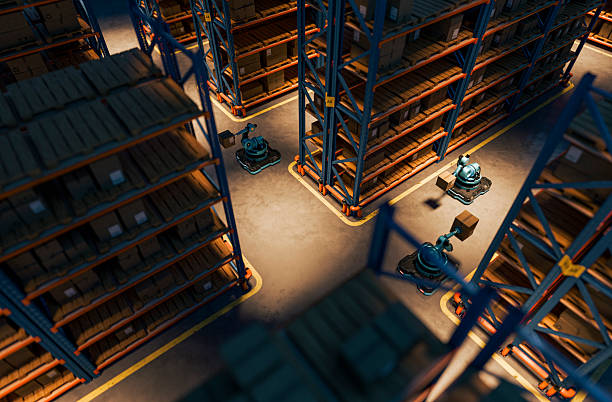
There is no single definition of warehouse automation. Automation can range from simple conveyor systems that move products between work areas to sophisticated robotic solutions that handle picking, storage, and material movement. Some warehouses automate one repetitive task, while others connect multiple technologies into a coordinated system that supports much of the operation.
That variety is useful, but it can also make the buying process more complicated. A system that works well in a high-volume distribution centre may not be the right fit for a facility with different product sizes, order volumes, or storage requirements. Understanding the main categories makes it easier to compare solutions based on the problems they are meant to solve.
MTLI Group helps Canadian facilities plan and implement warehouse automation systems around their operational needs. Below, we look at the major types of automation, how they work, and where each approach can make the biggest impact.
What Is Warehouse Automation, and Why Categorize It?
At its broadest, warehouse automation means using machines, software, or a combination of both to perform tasks that used to require constant manual effort: moving product, tracking inventory, sorting orders, or routing workers through a facility.
Splitting it into categories matters because no single vendor or system covers everything. A facility might need heavy physical equipment for moving pallets but comparatively light software for order routing, or the reverse. Understanding the categories helps a facility manager ask sharper questions before committing budget to any one piece of it. It also helps avoid the common trap of buying an impressive-looking system that solves the wrong problem.
Broadly, automation falls into three groups:
- Physical systems that move, lift, or sort product directly
- Robotic systems that navigate the floor or manipulate individual items
- Software systems that plan, track, and direct activity without moving anything themselves
Most working facilities in warehousing and distribution end up combining pieces from all three, rather than picking just one. The order in which they add each layer usually depends on which bottleneck is costing them the most right now, not on which category happens to be trending.
Material Handling Automation: The Physical Layer
Material handling automation covers the equipment that physically moves product through a building. This is the oldest and most widely adopted category, and for many facilities, it's still the highest-value starting point.
Conveyor systems move product between zones without manual carrying. Automated sortation systems route packages or pallets to the correct dock or staging area based on scanned data. Palletizers and depalletizers stack and unstack product automatically, reducing repetitive lifting. Automated guided vehicles (AGVs) follow fixed paths to transport loads between fixed points, freeing staff from repeatedly walking the same route with a pallet jack.
This category tends to deliver the fastest payback because it replaces the most physically demanding, repetitive tasks first. That matters given how tight the labour market has become for this kind of work.
The average offered hourly wage for vacant positions climbed 6.1 percent to $28.90 in the first quarter of 2025, according to Statistics Canada. This makes manual-heavy material handling roles increasingly expensive to staff even when candidates are available. For many operations, that wage pressure alone shifts the return-on-investment math well before storage density or picking speed enters the conversation.
Warehouse Robotics: Systems That Move and Pick
Robotics is a category of warehouse automation that uses mobile robots and robotic machines to handle tasks such as moving, picking, sorting, and packing inventory. Unlike fixed systems such as conveyors, robotic solutions can often move through the warehouse or perform different tasks based on changing operational needs.
The right robotic system depends on what you need to move, how quickly orders need to be processed, and how your warehouse is laid out. The table below highlights the main types of warehouse robotics and where each one is commonly used:
| Robot Type | What It Does | Common Use Case |
|---|---|---|
| Autonomous Mobile Robots (AMRs) | Navigate dynamically around obstacles to move goods | Order picking, cart transport |
| Robotic Arms | Grip, sort, or pack individual items | Palletizing, kitting, packing stations |
| Automated Storage and Retrieval Systems | Retrieve and store pallets or totes automatically | High-density storage, order fulfillment |
| Goods-to-Person Robots | Bring shelving units to a stationary picker | High-SKU fulfillment operations |
Warehouse robotics differs from older AGV systems mainly in flexibility. AGVs follow fixed routes; most modern robots navigate dynamically, adjusting on the fly when the floor layout changes or an aisle is temporarily blocked. That flexibility usually comes at a higher upfront cost, which is why facilities often pair robotics with a properly designed pallet racking systems. This is since poor rack spacing can limit how well robots actually perform, no matter how capable the hardware itself is.
Automated Warehouse Systems: The Software and Control Layer
Not every piece of warehouse automation moves. Automated warehouse systems in the software sense refer to the control layer that plans, tracks, and directs activity across a facility, whether or not any robots are involved.
Warehouse management software tracks inventory location, movement, and order status in real time. Warehouse execution systems coordinate tasks across multiple pieces of equipment, deciding which robot or worker handles which job next. Labour management software plans worker routes to reduce walking distance and idle time.
A few things this layer typically handles:
- Real-time inventory visibility across every storage location
- Task assignment and sequencing across both human and robotic labour
- Performance tracking to flag bottlenecks before they cause delays
- Exception handling when an order or item doesn't match the expected pattern
This software layer is what turns a collection of physical equipment into a coordinated system. Facilities investing in electrical automation infrastructure often find that the software layer is what determines whether that investment pays off. The reason is even well-built equipment underperforms without the control system to direct it properly and adapt as conditions change through the day.
Why Adoption Is Accelerating Right Now
Interest in warehouse automation isn't happening in a vacuum. The sector itself is growing quickly enough that manual processes are struggling to keep pace. Payroll employment in warehousing and storage rose 8.3 percent year over year as of December 2025, according to Statistics Canada. That's a growth rate well ahead of most other sectors tracked in the same report.
That kind of headcount growth signals real demand pressure, but adding staff has limits. Facilities can only hire so fast, train so quickly, and fit so many people safely onto a floor. Automation absorbs volume growth that headcount alone can't handle, particularly in manufacturing operations where production and warehousing activity often sit side by side and both are scaling at once.
Matching Automation Types to Facility Needs
Choosing the right automation is less about finding the most advanced technology and more about identifying what is actually holding your facility back. Labour shortages, limited storage capacity, inventory errors, and complex order workflows can each call for a different solution. Before investing in equipment, it helps to connect the specific operational constraint to the type of automation most likely to address it.
The table below provides a starting point for matching common warehouse challenges with the automation categories that can help:
| Facility Constraint | Automation Category Most Likely to Help |
|---|---|
| High labour turnover, repetitive lifting | Material handling automation |
| Limited floor space, need for density | Warehouse robotics (ASRS, goods-to-person) |
| Poor inventory visibility, frequent errors | Software and control systems |
| Complex multi-step order fulfillment | Combination of robotics and software |
A few practical signs can also help point you toward the right starting point:
- Repeated staffing gaps in physically demanding roles point toward material handling automation first
- Storage that's maxed out vertically and horizontally points toward robotics and denser racking
- Frequent picking errors or lost inventory point toward a software layer before any equipment purchase
- Long onboarding times for new hires often point toward simplifying tasks through automation rather than just hiring faster
Businesses serving 3PL and logistics clients often need all three layers working together, since client contracts typically demand both speed and accuracy that no single category delivers alone. Trying to solve a software problem with more physical equipment, or vice versa, is one of the more common and costly missteps facilities make when they skip this diagnostic step.
Get the Right Mix With MTLI
There is no single warehouse automation setup that works for every facility. The best approach depends on your products, order volume, available space, labour needs, and the specific bottlenecks slowing your operation down. Understanding those constraints first makes it easier to choose technology that solves a real problem instead of adding unnecessary complexity.
MTLI Group works with Canadian facility teams to assess how their warehouses operate before recommending specific equipment, systems, or software. By looking at the full workflow, we can help identify where automation can make the biggest difference and how different technologies can work together.
Reach out to the MTLI team to discuss your facility, current challenges, and what you want your operation to achieve.