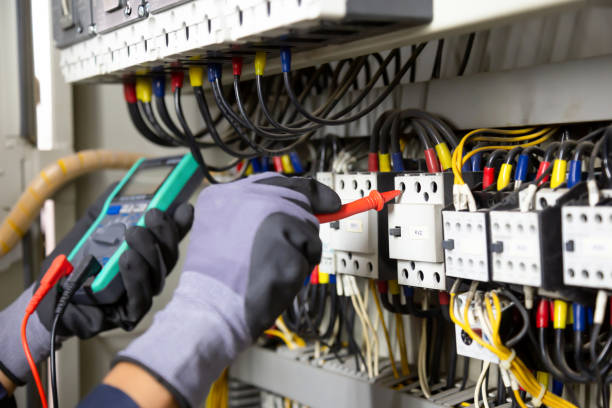
A conveyor stall. Twenty minutes later, someone finally notices, because the system that runs it has no way to tell anyone something is wrong. That gap, between what a facility's equipment is doing and what the people running it actually know, is what electrical systems integration is built to close.
MTLI Group builds that connection through integrated electrical services , designed so controls, equipment, and monitoring stop operating as separate islands and start working as one system.
What Integrated Electrical Solutions Bring Together
Plenty of facilities have automation in pockets: a smart conveyor here, a sensor-driven cooling unit there. Integrated electrical solutions go further. They link those pockets, so information moves between them, letting one part of the operation react to what's happening in another without a person in the middle relaying the message.
That shift, from isolated automation to a shared network, is really what separates electrical systems into integration from ordinary wiring work. A facility with strong integration can slow downstream line the instant an upstream sensor flags a jam, all without anyone touching a switch. Getting there usually means retrofitting equipment that was never designed to talk to anything else, which is exactly the kind of work handled through automation equipment installation .
Inside a Connected Electrical and Control Network
Four kinds of components tend to show up in almost every integrated system, though the specific brands and configurations vary by facility.
Programmable Logic Controllers (PLCs) handle the local decision-making for a machine or zone. Human Machine Interfaces (HMIs) sit between operators and logic, translating raw controller data into something a person can act on without reading code. Industrial networking protocols move data between controllers and central software, forming the wiring, physical and digital, that actually connects everything. Monitoring software pulls it all into a shared view rather than requiring someone to check each system individually.
Conveyor lines make the payoff obvious. Through our conveyor systems work, we've seen how a single upstream sensor, properly networked, can slow three downstream stations before a jam ever becomes a full stop. Automated storage carries the same logic under more pressure ASRS installation depends on motors, sensors, and inventory software staying in constant sync, since a half-second delay is enough to misplace a pallet.
Integration Approaches for Different Facility Layouts
Not every facility gets to build integration in from scratch, and the approach that works for a new build rarely works for an existing one.
| Integration Approach | Best For | Relative Complexity |
|---|---|---|
| New Construction Integration | Ground-up facility builds | Lower, planned from design stage |
| Full Retrofit | Existing facilities needing a complete overhaul | Higher, requires detailed system mapping |
| Phased Integration | Facilities that cannot pause full operations | Moderate, spread across stages |
New construction offers the cleanest path, since wiring and control architecture get designed around the equipment layout from day one. Retrofits are messier by nature, requiring a full map of what already exists before anything new gets layered on top. Most manufacturing facilities land somewhere in between, choosing a phased rollout because a full shutdown to rewire an active production floor is rarely realistic. Food and beverage plants tend to follow the same phased logic, often starting with packaging lines before extending the network deeper into food and beverage processing.
Why Disconnected Systems Are Costing Facilities Today
Idle capacity is usually blamed on equipment, but coordination gaps play a bigger role than most facility managers assume. Canadian manufacturers ran at 77.7 percent of production capacity in the fourth quarter of 2025, leaving close to a quarter of available output on the table. Some of that gap traces directly back to systems that cannot respond to each other fast enough to keep a line running at full speed.
Finding the right team to close that gap takes more legwork than it should, mostly because the market is so fragmented. Among electrical and building equipment contractors in Canada, 57.8 percent are micro-operations with fewer than five employees, and another 40.5 percent are small businesses. Very few firms in this space handle integration work end to end, which is why checking a contractor's actual project history matters more than checking their general electrical license. The stakes get higher fast in cold storage , where an unintegrated refrigeration control system can let a fault go unnoticed for hours before anyone realizes product is at risk.
Measuring the Payoff of a Fully Integrated System
| Factor | Disconnected Systems | Integrated Electrical Solutions |
|---|---|---|
| Fault Detection | Manual, system by system | Centralized, often automatic |
| Response Time | Slower, requires investigation | Faster, issue location known immediately |
| Equipment Coordination | Independent, no shared data | Synchronized across the facility |
| Visibility for Managers | Fragmented across systems | Single dashboard view |
The clearest payoff for electrical systems integration is time. Not the hours saved on any single repair, but the minutes shaved off every fault, multiplied across a year of operation. A developing problem in one zone can flag itself before it forces a shutdown somewhere else, and a manager can find the source of an issue from one screen instead of walking the floor checking panels one by one.
That kind of visibility matters most under pressure. Facilities serving 3PL and logistics clients often have contract terms riding uptime, and e-commerce fulfillment operations feel it hardest during peak season, when a short, unplanned stoppage can mean missed same-day shipping cutoffs.
Where Integration Projects Commonly Go Wrong
The most expensive mistake happens before any wiring goes in: treating integration as a standalone electrical task instead of part of the larger project. When electrical scope gets locked down before anyone defines the automation and controls needs, facilities routinely end up short on panel capacity or missing conduit runs, discovered only once it's too late to fix cheaply. Folding this planning into the construction and general contracting scope from the start avoids most of that.
Vendor mismatches cause a different kind of headache. Not every controller or sensor speaks the same protocol, and equipment bought from three different suppliers can end up digitally isolated even after it's technically wired in. A commissioned system also still needs upkeep. Skipping a maintenance schedule after handoff is common, and pairing integration work with ongoing maintenance is usually what keeps a system performing the way it did on day one.
MTLI's Role in Delivering Integrated Electrical Solutions
One team stays accountable for the whole scope at MTLI, from the first system map through final commissioning, which is the part that most often breaks down when facilities try to coordinate separate electrical, controls, and equipment vendors on their own. Our installation crews carry out the physical build directly, so what gets designed is what actually gets wired.
When a project also involves a new storage layout, our storage racking division plans alongside the electrical team from the start, rather than fitting racking around a system that was finished months earlier.
Build Integrated Electrical Solutions With MTLI
The value of electrical systems integration goes beyond connecting individual equipment. When electrical systems, controls, and automation can communicate effectively, facilities can identify issues earlier and gain clearer visibility into what is happening across the entire operation in real time.
MTLI Group works with businesses across Canada on integrated electrical solutions built around their existing equipment and layout. Contact our team to talk about your project.