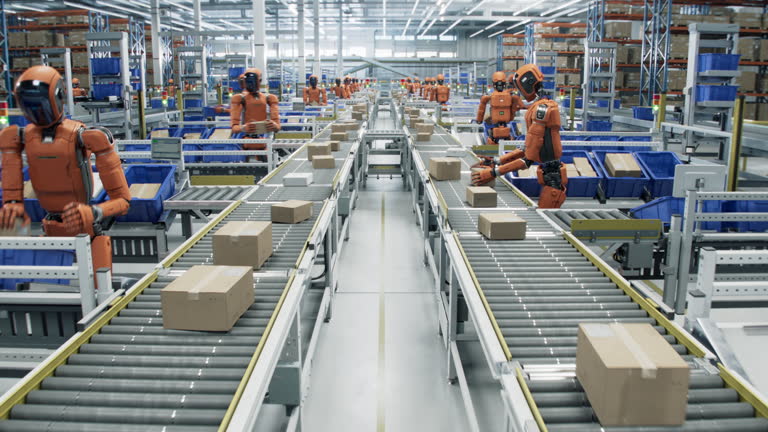
A warehouse can only move as efficiently as its material flow allows. When employees are constantly pushing carts between zones, much of their time goes into transportation instead of higher-value tasks. Conveyor systems change that by creating a continuous path for products, while conveyor sorters can automatically direct items to the appropriate packing area, dock, or other destination.
Curious about how this works in practice? MTLI Group has got you covered. Our team has spent decades designing and installing conveyor and sortation systems for Canadian facilities. In this guide, we explain how these systems work together and the situations where they can deliver the greatest operational benefits.
Where Poor Material Flow Costs You the Most
When material flow is not planned properly, the same bottlenecks tend to appear again and again. Workers spend more time moving products, errors become harder to avoid, and certain areas of the warehouse struggle to keep up.
Common problem areas include:
- Manual transport between zones: Workers pushing carts or pallet jacks across long distances
- Sortation errors: Manual sorting mistakes that lead to mis-shipped orders
- Uneven throughput: Some zones overwhelmed while others sit idle
- Peak season strain: Manual processes that cannot scale for seasonal volume spikes
The result is often a gradual increase in labour requirements and slower overall throughput. These costs can be difficult to spot because they are spread across hundreds of small movements and delays.
Finding these bottlenecks does not require a complicated study. Observe the warehouse during its busiest period and record where products wait, where employees travel, and where work starts to accumulate. This often provides a clear starting point for improving material flow. From there, conveyor systems can help create more direct routes and reduce the amount of manual movement between key areas.
What Conveyors and Sorters Actually Do
At its simplest, a conveyor moves products between two locations. Depending on the application, that might mean cartons travelling along a belt between warehouse zones or totes moving on rollers toward a packing area. A sorter takes the process further by using scanned information to automatically send each item to its intended lane, chute, or shipping dock.
This combination takes much of the repetitive movement and routing work out of manual operations. That makes conveyors and sorters an important part of material flow in many mid-size and large warehouses, particularly where order volumes are high.
A Look at the Main Types of Conveyor Systems
Conveyor systems come in many configurations, and each one serves a different purpose. Your choice will depend on the type of products you handle, the layout of your facility, and your required throughput.
Below are some of the most common conveyor types found in Canadian warehouses.
| Conveyor Type | How It Works | Best Fit |
|---|---|---|
| Belt conveyors | Continuous belt moves product along a flat path | General transport of cartons and totes |
| Roller conveyors | Product moves across free-spinning or powered rollers | Heavier loads, pallets, and cartons |
| Chain conveyors | Chains pull product along a fixed track | Heavy-duty, industrial applications |
| Sortation conveyors | Combines transport with automated routing logic | High-volume order or parcel sortation |
Facilities usually run a mix of these types rather than relying on a single conveyor throughout the building, matching each section to the specific load and speed requirements of that zone. Conveyor routing also needs to work around the facility's existing racking layout. This is since aisle widths and rack placement directly affect where a conveyor line can realistically run.
How a Conveyor Sorter Changes the Picture
Adding sortation to a conveyor system changes what the equipment can actually do. Instead of simply moving product from point A to point B, a conveyor sorter reads a barcode or label and automatically diverts each item to its correct destination.
This matters most in facilities handling high SKU counts or multiple outbound destinations, since manual sorting at that volume becomes both slow and error-prone. A well-integrated conveyor sorter can process far more volume per hour than a team of workers manually checking labels and redirecting product by hand. MTLI's broader guide to conveyor systems and warehouse efficiency covers how sortation logic typically gets designed around order profiles.
Workplace Safety Around Conveyor Equipment
Conveyors move quickly and continuously, which creates real safety considerations that need to be built into the design, not added as an afterthought.
The Canadian Centre for Occupational Health and Safety recommends guarding all pinch points between the conveyor and fixed objects, installing guardrails around low-level conveyors, and placing emergency stop switches within easy reach of operators along the line.
A few practical safety measures worth confirming on any conveyor project:
- Pinch point guarding: All contact points between moving and fixed parts should be covered
- Emergency stops: Cut-off switches should be accessible along the full length of the line
- Clear signage: Workers need visible warnings near high-speed or automated sections
- Regular inspection: Belts, rollers, and guards should be checked on a routine schedule
Building these checks into a routine maintenance schedule, rather than relying on staff to notice problems, is usually what separates facilities with a strong safety record from those that end up dealing with preventable incidents.
Energy Efficiency and Conveyor Motors
Conveyor systems run continuously in many facilities, which makes the efficiency of the motors driving them a real factor in long-term operating costs.
Natural Resources Canada regulates the minimum energy efficiency standards for electric motors sold in Canada, and many manufacturers now offer motors that exceed those minimums. Even a small efficiency improvement across a facility running conveyors continuously can add up to meaningful savings over the life of the equipment.
Integrating Conveyors with Warehouse Automation
Conveyors rarely operate as a standalone system. They typically connect to racking, ASRS, robotics, or picking stations as part of a broader material flow strategy.
Facilities investing in a wider warehouse automation programme should plan conveyor and sortation capacity around the throughput the rest of the system is designed to handle, rather than sizing it as an afterthought once other equipment is already selected.
This kind of upfront planning matters most when ASRS, robotics, or other automated equipment share the same material flow path as the conveyor. A mismatch in throughput between any two connected systems creates a bottleneck that limits the performance of the whole line, not just the slower component.
Conveyor and Sorter Design Issues to Avoid
Facilities sometimes size conveyor and sortation systems based on current volume alone, without leaving room for growth or seasonal spikes.
Watch for these common missteps:
- Under sizing for peak volume: Systems built only for average-day throughput struggle during busy periods
- Ignoring maintenance access: Tight layouts that make routine servicing difficult slow down repairs
- Skipping integration planning: Poor communication between the conveyor and the warehouse management system creates bottlenecks
- Choosing on price alone: The cheapest quote often excludes controls, sortation logic, or long-term support
Facilities that model growth and seasonal peaks into their capacity planning from the start generally avoid the expensive mid-life upgrades that come from under sizing the system in the first place.
Planning a Conveyor Project as Part of a Larger Facility
Conveyor and sortation systems rarely operate independently from the rest of a facility. The available electrical capacity, racking layout, building structure, and planned construction can all influence how the system should be designed, positioned, and routed.
That is why conveyor planning is often best handled early in a larger installation project. By considering conveyor routes alongside racking and electrical requirements, facilities can identify potential conflicts before work begins. This creates a more coordinated layout and can reduce costly changes once installation is underway.
What to Look for in a Warehouse Automation Company
Not every conveyor project has the same requirements. The right solution depends on your facility layout, product mix, order volumes, throughput targets, and plans for future growth. A provider that understands these factors can help ensure the conveyor system supports the operation instead of creating new limitations.
A reliable warehouse automation company should start by understanding how your facility actually works. They should assess the floor, review your order profile, identify where products and employees are currently moving, and develop conveyor and sortation logic around those findings. This approach creates a system designed for your operation, not a generic template adapted after the fact.
How MTLI Group Supports Conveyor and Sortation Projects
MTLI Group has spent decades designing conveyor and sortation systems that connect cleanly with the racking, electrical, and automation already in a facility. Our team handles design, installation, and ongoing support together, which keeps a project from being split across vendors with conflicting timelines. Once your system is running, our maintenance programmes help keep belts, motors, and sortation logic performing the way they were designed to.
Keeping Material Moving Efficiently
Conveyors and sorters are often the least visible part of a warehouse automation strategy, but they carry an outsized share of the responsibility for how efficiently a facility actually runs. A well-designed conveyor sorter, backed by the right layout and safety planning, pays off in throughput that holds up during peak season, not just on a quiet Tuesday.
MTLI Group can help you develop a system that fits your facility, material flow, and future needs. Connect with our team to talk through your goals and find the right approach for your operation.