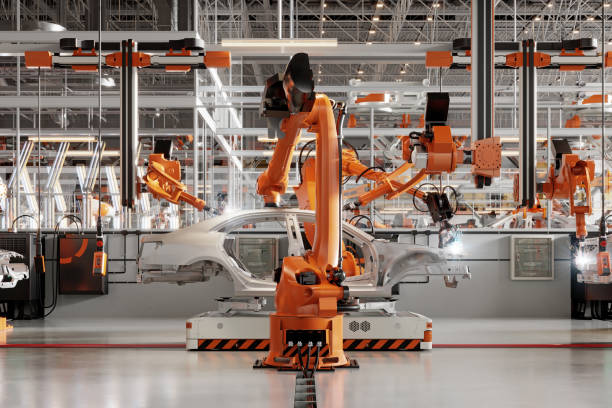
A conveyor looks simply once it's running. Getting there is not. Between site conditions, load requirements, safety code, and the testing needed before anything ships product for real, conveyor system installation involves a lot more coordination than bolting a belt to some rollers and flipping a switch.
MTLI Group handles conveyor installation projects from initial layout through final commissioning, working with facilities across Canada that need material moving reliably, not just quickly.
What Conveyor System Installation Actually Involves
A conveyor project touches structural, mechanical, and electrical work all at once. Structural supports need to carry the load of both the equipment and whatever product runs across it. Mechanical components, drives, rollers, belts, need to be matched to speed and weight requirements before anything gets ordered. Electrical controls tie the whole thing together, syncing motor speed with sensors and any upstream or downstream equipment it needs to talk to.
Our warehouse automation conveyor systems team designs this coordination from the start rather than treating each layer as a separate contractor problem. For a look at what a well-designed system can actually do for daily operations, our post on how conveyor systems improve warehouse efficiency breaks down the operational side in more detail.
Site and Mechanical Factors That Shape Every Installation
Every conveyor project starts with the same question: what does the physical space actually allow? Ceiling clearance, column spacing, and floor conditions all constrain what kind of system can go in and where. A layout that looks clean on paper sometimes runs straight into a support beam once someone walks the floor with a tape measure.
Load capacity comes next. Underbuilding a system for future volume is one of the most common and most expensive planning mistakes, since retrofitting a conveyor for heavier product later almost always costs more than sizing it correctly the first time. Power availability matters too, particularly on older buildings where the existing electrical infrastructure was never designed for the draw a modern automated conveyor system requires. Coordinating this early with an electrical automation assessment avoids discovering a panel capacity problem partway through installation.
Matching Conveyor Type to the Job at Hand
Different conveyor types solve different material handling problems, and choosing the wrong one for the job wastes money either through overbuilt capacity or a system that can't keep up.
Belt conveyors handle a wide range of product types and remain the most common choice for general material movement. Roller conveyors work well for uniform, rigid items like boxes or totes, often running with less power to draw than belt systems. Chain conveyors handle heavier loads, common in manufacturing and pallet-level movement. Sortation conveyors add diverting mechanisms to route product to different destinations automatically based on scanned data.
| Conveyor Type | Best For | Relative Power Draw |
|---|---|---|
| Belt Conveyor | General product movement | Moderate |
| Roller Conveyor | Uniform boxes, totes | Lower |
| Chain Conveyor | Heavy loads, pallets | Higher |
| Sortation Conveyor | Automated routing and diverting | Higher |
Facilities in manufacturing often run chain conveyors for heavier raw material and component movement, while operations focused on e-commerce fulfillment tend to lean on sortation and roller systems built for high-volume, smaller-item picking.
Why Demand for Reliable Conveyor Systems Keeps Climbing
Material handling volume across Canada has been picking up, and it shows in the national numbers tracking the sector. Transportation and warehousing rose 1.2 percent in the first quarter of 2026, marking the largest quarterly increase in the sector since the third quarter of 2023, according to Statistics Canada's GDP by industry release. That kind of growth translates directly into more product moving through facilities that already depend on conveyor systems to keep pace.
More volume also means more equipment running longer hours, which raises the stakes on getting installation and commissioning right the first time. Facilities in warehousing and distribution feel this pressure most directly, since a conveyor failure during a peak volume period can back up an entire facility's outbound flow within minutes.
What Safety and Commissioning Add to the Bottom Line
Conveyor systems carry real injury risk if installed or guarded improperly, and the national injury data backs up why these matters. Disabling work-related injuries in the federally regulated sector reached 18,796 in 2023, an increase of 665 from the year before, according to Employment and Social Development Canada. Machinery contact remains one of the more common causes of these injuries across material handling environments.
A proper commissioning process directly addresses this risk. Functional testing confirms guards, emergency stops, and sensors work as designed before a single pallet moves through the system under real operating conditions.
| Commissioning Step | What It Confirms |
|---|---|
| Guard and Safety Check | Physical guarding meets code before startup |
| Emergency Stop Testing | E-stops halt the system reliably at every station |
| Load Testing | System performs at rated capacity, not just idle |
| Sensor Verification | Diverts, jams, and stops trigger correctly |
Getting these right matters most for businesses serving 3PL and logistics clients, where an uncommissioned system that fails early in operation can directly disrupt client fulfillment commitments right when volume is highest.
Where Conveyor System Installation Go Wrong
Skipping a proper site survey before design is one of the most common causes of installation delays, since discrepancies between as-built drawings and actual site conditions often only surface once equipment shows up and doesn't fit as planned. Underestimating future volume is another frequent issue, leading to a system that performs fine on day one but bottlenecks within a year or two of normal business growth.
Poor coordination between installation and ongoing operations also causes problems, particularly when a conveyor project happens inside a facility that can't fully shut down during work. Planning conveyor commissioning alongside a broader facility maintenance schedule helps keep the system performing spec well after handover. Projects that involve structural changes to accommodate a new conveyor route should also be coordinated with the construction and general contracting team early, rather than treated as a separate scope discovered mid-project.
How MTLI Delivers Conveyor System Installation Projects
MTLI Group manages conveyor projects as one connected scope, structural support, mechanical installation, electrical controls, and commissioning, rather than splitting the work across separate vendors who never quite sync their schedules. Our conveyor installation crews handle the physical build directly, keeping design intent consistent with what actually goes in on site.
Every project close with a documented commissioning process, confirming safety systems, load capacity, and controls all perform as specified before the facility takes over daily operation.
Work With a Trusted Conveyor Installation Company
Conveyor system installation touches structural, mechanical, electrical, and safety scope all at once, and getting any one piece wrong tends to show up as downtime, injury risk, or costly rework later. A conveyor installation company that manages the full project under one accountable team avoids most of these gaps before they happen.
MTLI Group works with businesses across Canada to plan, install, and commission conveyor systems built for their actual volume and layout. Contact our team to talk through your next conveyor project.