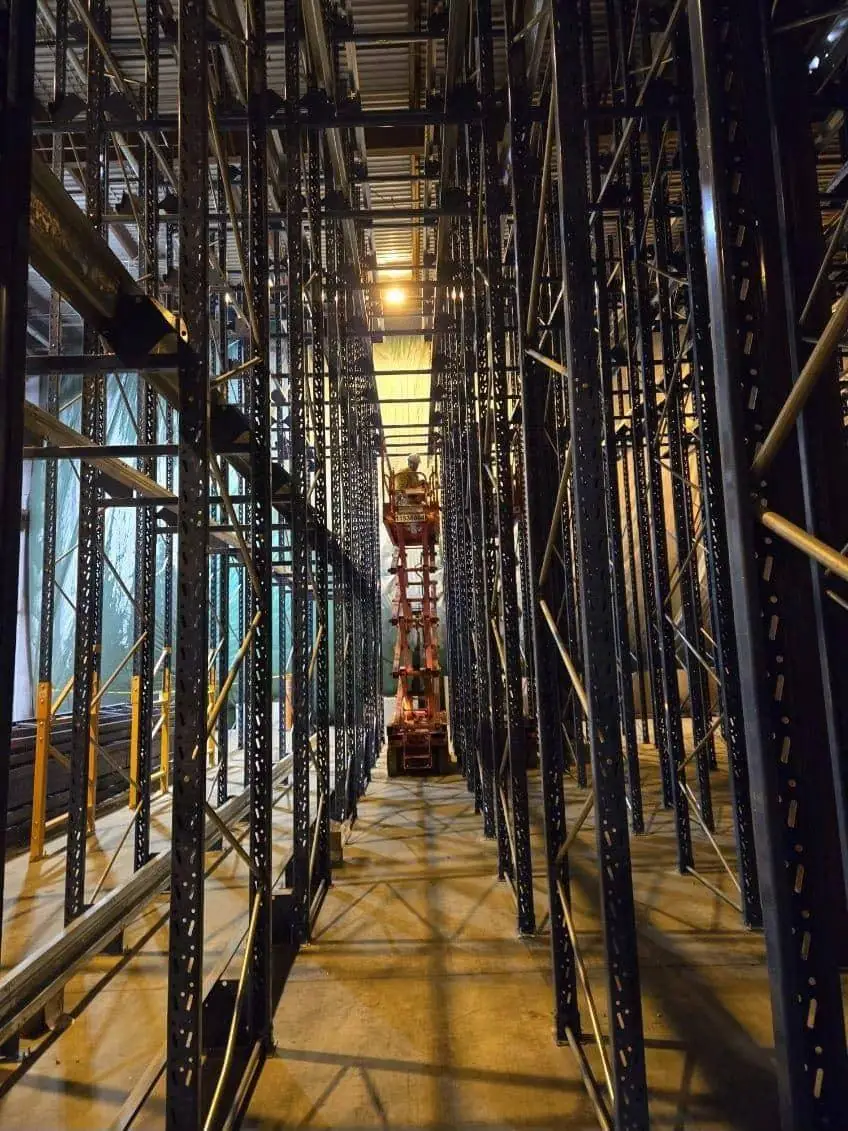
- **Safety and Liability:** The primary purpose of building codes is to ensure the safety of occupants. This includes structural integrity (can the slab handle the new automation?), fire safety (are egress paths clear and sprinkler systems adequate for the new storage height?), and electrical safety. A properly permitted and inspected facility minimizes liability and, most importantly, protects your team.
- **Financial Protection:** The cost of a permit is minuscule compared to the potential costs of non-compliance. These can include significant fines, mandatory demolition of unpermitted work, legal fees, and the immense cost of project delays and operational downtime.
- **Operational Continuity:** Your facility cannot legally operate without proper occupancy permits. Furthermore, insurance providers can deny coverage for incidents related to unpermitted work, leaving your business exposed to catastrophic financial loss.
- **Future-Proofing Your Asset:** When it comes time to sell or lease the property, a complete history of permitted work is essential. A lack of proper documentation can derail deals, devalue your asset, and create major legal headaches down the road.
- **1. Early-Stage Due Diligence:** The permit strategy should begin during the project's feasibility stage, *before* equipment is ordered or final layouts are approved. Engage a partner like MTLI to conduct a preliminary code compliance review. This identifies potential red flags early, allowing for design adjustments before they become costly problems.
- **2. Assemble Your Compliance Team:** A successful permit application is a team effort. This typically includes a project manager, architect, and various engineers (structural, mechanical, electrical, and fire protection). A turnkey partner can act as the central quarterback, assembling and managing this team of experts from our vetted network of over 800 vendors.
- **3. Develop a Comprehensive Application Package:** A vague or incomplete application is the fastest way to get delayed. A strong package includes professional, stamped drawings, a detailed scope of work, engineering reports confirming code compliance (e.g., structural calculations, fire code analysis), and all necessary municipal forms.
- **4. Proactive Submission and Communication:** Once submitted, the process is not passive. Your project lead should maintain open communication with the municipal plan reviewer. Being available to answer questions promptly and provide clarifications can significantly expedite the review cycle. This proactive stance demonstrates professionalism and a commitment to collaboration.
- **5. Meticulous Inspection Management:** The permit is just the permission to start. The project isn't complete until all required inspections (e.g., foundation, framing, electrical rough-in, final occupancy) are passed. This requires careful scheduling and ensuring the work on-site perfectly matches the approved plans. Any deviations must be properly documented and approved through a formal amendment process.